Senior Safety: Does This Pain at Home Signal a Blockage?
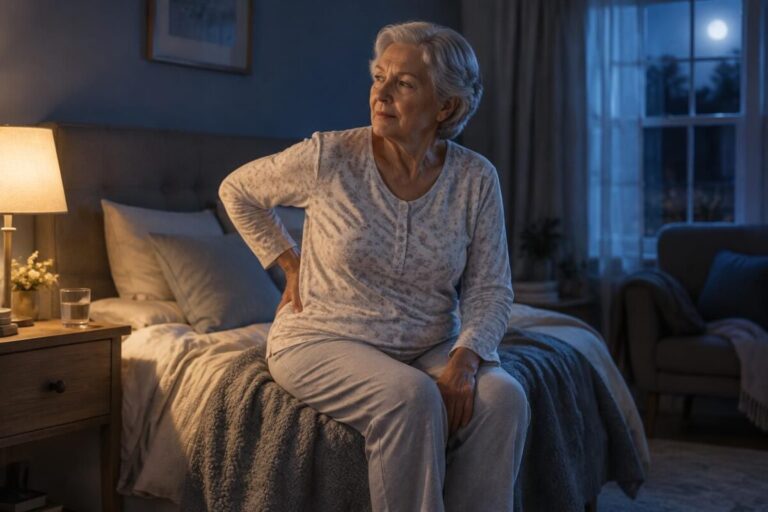
Hello, it’s Livia. Pain at home can be a sign of a joint locking up, but it isn’t enough to diagnose it: if it limits your movements or walking, seek medical advice.
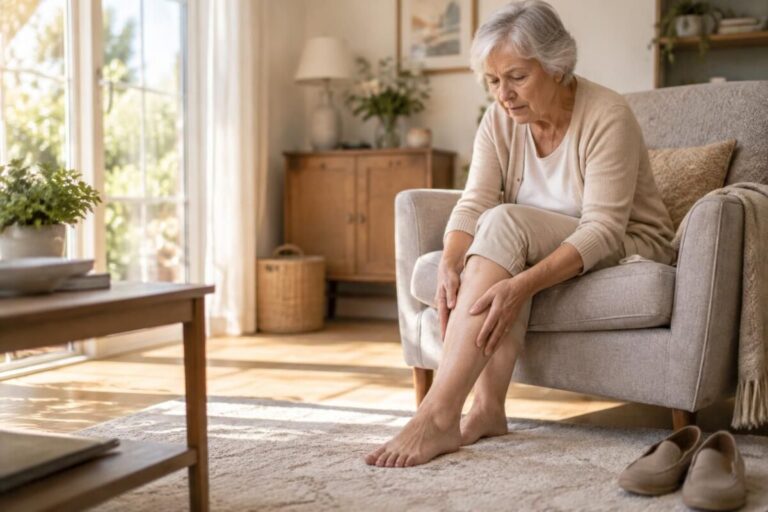
A movement that has become difficult may indicate pain, stiffness, or reduced mobility. To help keep seniors safe, it’s best to notice changes early and avoid forcing movement.
Pain is not a normal consequence of aging. It can also be difficult to express: warning signs may show up in a person’s gait, sleep, or mood.
What to do right away
- Notice the change: note where the pain is, when it began, and which movements have become difficult.
- Don’t force it: don’t try to unlock a painful joint yourself.
- Make walkways safe: remove slippery rugs, clear hallways, and improve the lighting.
- Look for other signs: swelling, redness, fever, weakness, or pain after a fall require prompt attention.
- Ask for advice: contact a healthcare professional if the pain persists, worsens, or interferes with usual activities.
To help prevent risks around the home, also check out these tips on household hazards that can be difficult to spot and on an ankle blockage that changes the way you walk.
Pain at home: when might a joint be locked?
A joint blockage is when a joint is difficult to bend or straighten, sometimes with a feeling of stiffness or catching. Pain may accompany this, but only a medical assessment can determine the cause.
Temporary discomfort after a period of inactivity does not necessarily mean that a joint is locked. However, new or recurring limited movement, or movement that is getting worse, should be taken seriously, especially if it affects walking or essential activities.
Warning signs that change what you should do
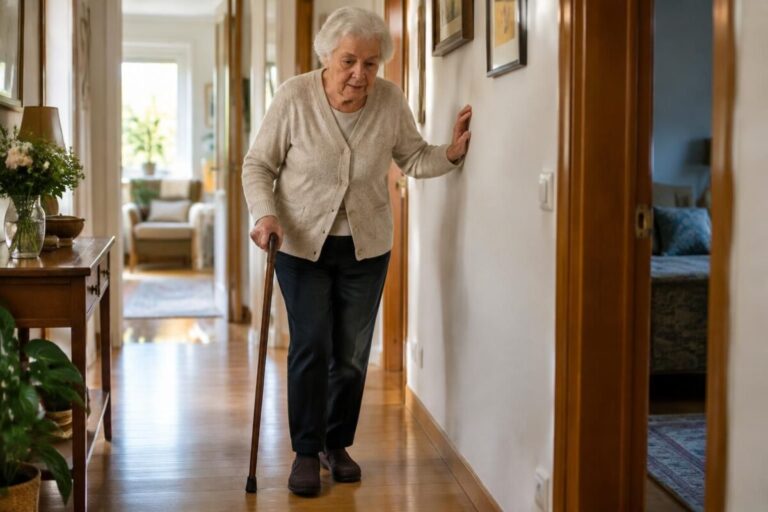
Notice what has changed from the person’s usual routine: difficulty getting up, less steady footing, a grimace during movement, or needing to hold onto furniture. Reduced appetite, disrupted sleep, or unusual withdrawal may also accompany pain that the person does not express clearly.
After a fall, severe pain, a deformity, inability to bear weight, or loss of consciousness requires urgent help. If you’re unsure whether there is an injury, don’t try to lift the person; call emergency services.
Moderate pain is not always harmless in an older person: its effects on balance and daily activities matter just as much as its intensity.
Loss of mobility: telling temporary stiffness from an emergency
Mild stiffness that eases after a few movements may be different from a joint that suddenly becomes immobile. If the discomfort returns, worsens, or limits movement, a medical consultation can help determine what to do.
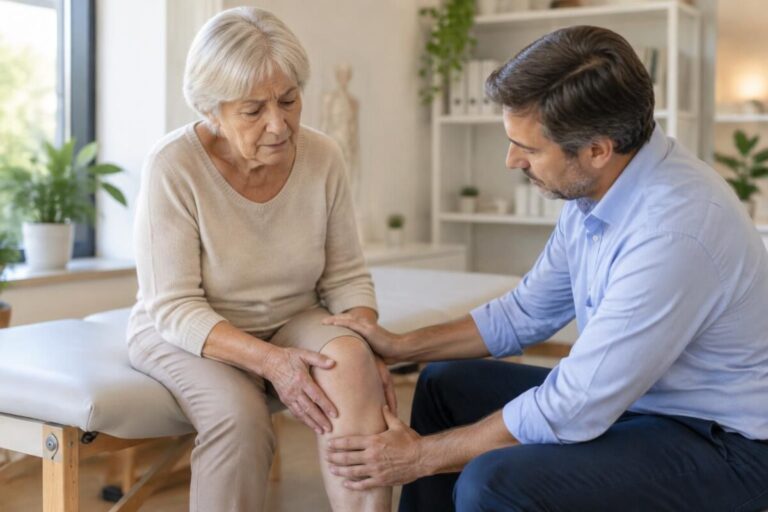
For example, Marc, 78, notices that his knee bothers him when he steps over the kitchen threshold. He doesn’t force the movement, clears the way, and notes when the pain occurs so he can describe the situation to his doctor.
| What you notice | Suggested response |
|---|---|
| Mild stiffness that improves and does not interfere with movement | Monitor how it changes and avoid forcing movements. |
| Persistent pain or reduced mobility in daily life | Make an appointment with a healthcare professional. |
| Sudden, severe pain, pain after a fall, or inability to move | Seek urgent medical help promptly. |
These pointers can help guide your response, but they are no substitute for a diagnosis. Age, medical history, treatments, and communication abilities all affect how pain manifests.
Fall prevention and aging in place: take action early
Pain can change the way someone walks: shorter steps, hesitant footing, or taking a detour to avoid a movement. The risk of falling increases when this is combined with cluttered floors, poor lighting, or ill-fitting shoes.
Fall prevention does not mean eliminating all movement. It means making activities safer: keep walkways clear, place useful items within easy reach, and install suitable supports after consulting a professional.
To support aging in place and seniors’ independence, help for older adults can also take the form of occasional assistance, home modifications, or health monitoring. The goal is to take action before discomfort turns everyday activities into a challenge.
A simple three-step process
- Describe the situation: note when the pain began, where it is, which movements are difficult, and any other signs.
- Make moving around safer: clear the route, improve the lighting, and ask for help if footing is uncertain.
- Get the discomfort assessed: contact a healthcare professional, promptly if the pain is sudden, severe, or started after a fall.
Do not change a treatment or take additional medication without appropriate advice: treatments and how well they are tolerated need to be considered carefully for seniors.
Useful questions about pain and joint locking at home
Does pain necessarily mean that a joint is locked?
No. Pain can have several causes and does not prove that a joint is locked. New or persistent limited movement should be assessed by a healthcare professional.
When should you seek medical advice?
Ask for advice if the pain persists, worsens, or interferes with walking and everyday activities. Severe pain, a fall with a possible injury, or inability to move requires urgent help.
What should you do if an older person has difficulty describing their pain?
Look for changes in gait, mood, sleep, appetite, and activity. Share these observations with a healthcare professional without trying to diagnose the problem yourself.
How can you reduce the risk of falling when pain makes walking difficult?
Clear walkways, improve the lighting, and keep essential items within easy reach. If balance is uncertain, accompany the person and ask for advice on adapting the home.
Take good care of your companion and share your observations in the comments. — Livia