Senior Safety: Could This Natural Remedy Be a Bad Idea?
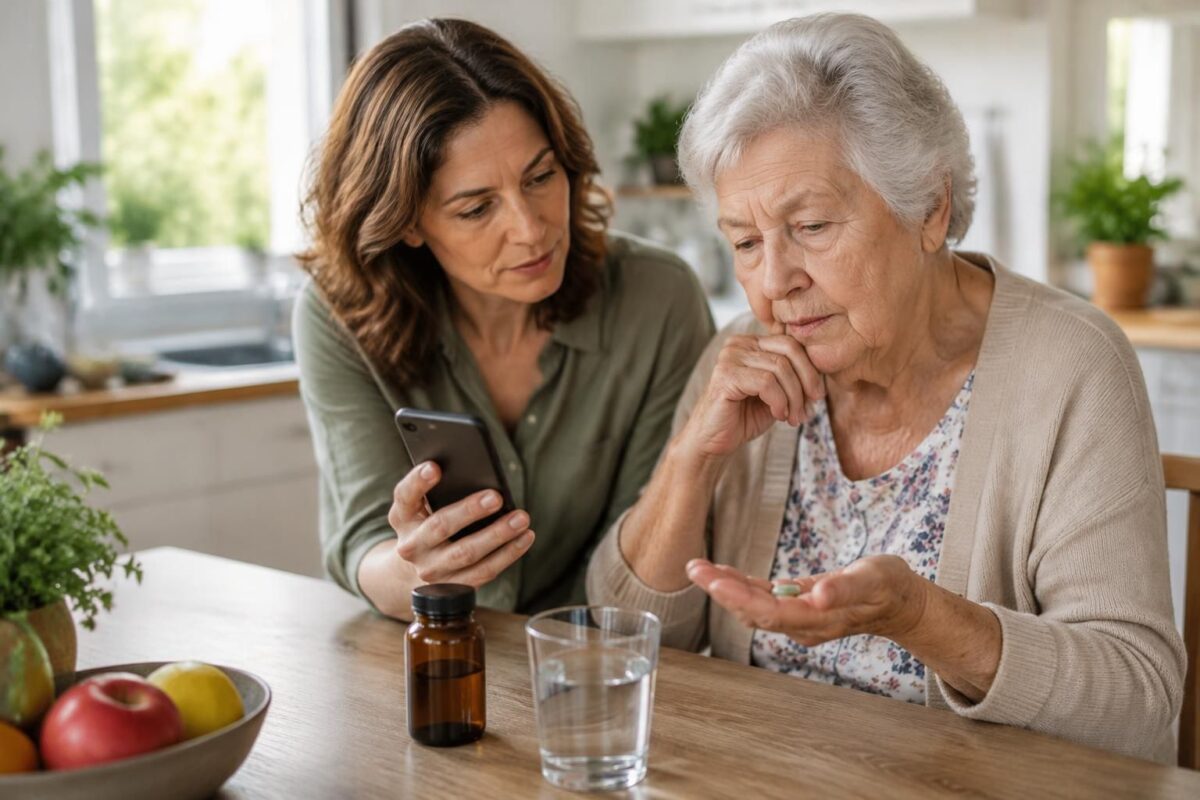
Hi, it’s Livia. Yes, a natural remedy can pose a risk, especially if you already take medication or have a chronic condition. Before trying one, show its name and ingredients to your doctor or pharmacist. Natural doesn’t mean safe: being cautious helps protect seniors’ safety and independence.
What to do right away
- Write down all your medications, vitamins, herbal teas, and supplements.
- Check the exact name of the plant and the recommended dose.
- Ask your pharmacist for advice before starting a course of treatment.
- Do not replace a prescribed treatment with a natural product.
- Stop using the product and seek help promptly if an unusual symptom appears.
If you’re looking for a remedy for a specific problem, also check the advice on home remedies to avoid for leg problems and on traditional home remedies and their limitations.
Why natural remedies can pose risks
Medicinal plants contain active substances. They can therefore cause side effects or affect how a medication works. Drug interactions are especially important when several treatments are taken every day.
St. John’s wort, for example, can reduce the effectiveness of some medications. Ginkgo can increase the risk of bleeding when taken with anticoagulants, while regularly consuming licorice can make blood pressure harder to control. “Natural doesn’t mean risk-free.”
Not all supplements are regulated like medications, and their ingredients can vary. To better understand the precautions involved in self-medication, see advice on supplements after age 60 or the possible risks of natural health products.
When medical advice matters most
Medical advice is especially useful if you take an anticoagulant, heart medication, diabetes medication, or several medications at once. It is also important if you have kidney, liver, or autoimmune disease.
Products sold online or imported require extra caution: their quality, dose, and ingredients are not always easy to verify. Keep the packaging and leaflet to show your healthcare professional.
| Product or situation | Possible risk | Safety measure |
|---|---|---|
| St. John’s wort with medications | Some treatments may be less effective | Ask for advice before taking it |
| Ginkgo with an anticoagulant | Increased risk of bleeding | Do not combine them without medical advice |
| Frequent licorice consumption | Blood pressure may be harder to control | Check the ingredients and limit self-medication |
| Several natural products and medications | Interactions or drowsiness, with a risk of falling | Show the pharmacist your complete list |
Natural remedies and older adults’ health: good practices
As we age, the body may eliminate certain substances more slowly. For example, adding a detoxifying herbal tea to a diuretic medication may lead to dehydration or low blood pressure. Being cautious also helps prevent falls, especially if a product increases drowsiness or dizziness.
In a common situation, someone adds a supplement to sleep better without mentioning it, then feels groggy in the morning. Writing down the product and discussing it with a pharmacist makes it possible to check whether it can be taken alongside existing treatments.
If you take an anticoagulant, do not change your intake of supplements or herbs on your own. If you have kidney disease or take several medications, seek medical advice before even a short course of treatment.
A simple three-step process
- Step 1: gather the packages, leaflets, and list of your treatments, including products you take only occasionally.
- Step 2: ask your doctor or pharmacist to check for interactions, contraindications, and the intended dose.
- Step 3: if the product is considered suitable, follow the recommended dose and duration, then report any unusual effects.
A clear label, an expiry date, and a detailed list of ingredients are good indicators. Beware of promises of a quick cure or products that claim to replace a prescribed treatment.
Natural remedies without compromising safety
A course of treatment is not necessarily suitable for everyone, even if the product is commonly used. Avoid trying several new products at once: it makes it harder to identify the cause if a side effect occurs.
Wild plants also carry a risk of misidentification or contamination. Use only products whose origin and ingredients are clearly stated, and ask for advice if you have any doubts.
If a symptom persists, it’s better to look for its cause rather than try one remedy after another. Advice on consulting a doctor before starting a natural treatment can help you prepare for a discussion with a healthcare professional.
Frequently asked questions about natural remedies
Can a natural product interact with my medications?
Yes. Some herbs and supplements can affect how a medication works or its effects. Ask your pharmacist or doctor for advice before combining them.
Can I stop a prescribed medication and replace it with an herb?
No, do not change a prescribed treatment without talking to your doctor. Replacing it may worsen the health problem or delay necessary care.
What should I do if a supplement causes an unusual effect?
Do not take the product again until you have asked for advice. Contact a healthcare professional and keep the packaging to show them the ingredients and dose.
By doing a simple check before each new product, you can incorporate natural remedies into your routine more cautiously and support older adults’ health without overlooking health risks.
Thank you for your interest; Livia