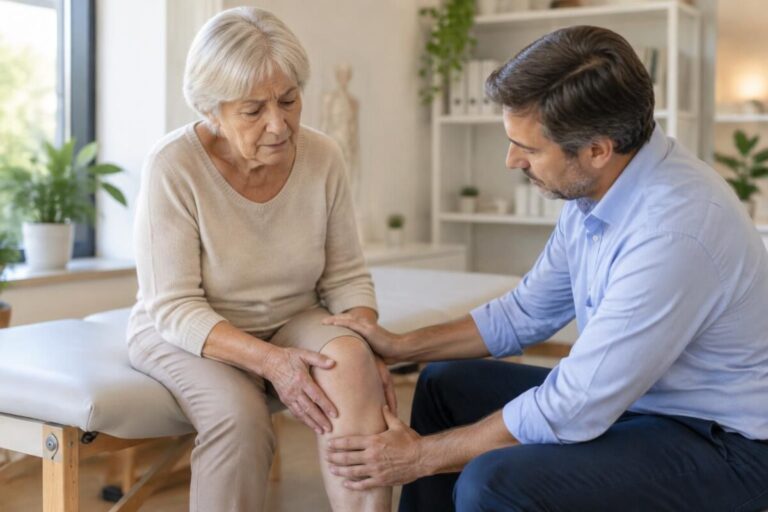
Senior health: 10 credible tips to relieve leg discomfort
Hello, this is Livia.
To relieve heavy legs, move regularly, elevate your legs, and seek medical advice if the pain is new or persistent.
A few simple steps can improve everyday comfort without replacing a diagnosis or treatment. The most important thing is to choose habits that suit your health and recognize the signs that require a consultation.
What to do right away
- Walk for a few minutes if you can move around without significant pain.
- Elevate your legs for a few minutes, keeping them in a comfortable position.
- Drink regularly, unless you have been medically advised to limit fluids.
- Avoid sitting or standing still for long periods.
- Do not start wearing compression stockings without advice tailored to your situation.
To better understand the link between heavy legs and circulation, or to find out which home remedies to avoid, a few reliable pointers can help you choose the right steps.
10 credible tips to relieve heavy legs
A common mistake is to look for a single remedy, when discomfort can have several causes. Here are ten simple steps to consider, taking your abilities and your health professional’s advice into account.
1. Change positions regularly
Staying still for a long time can worsen the feeling of heaviness. Change positions regularly and, if you are sitting, gently move your ankles.
2. Make regular walking a habit
Walking regularly, even for a short time, helps maintain mobility. Start with a few minutes on a flat route and gradually increase the time if you feel well.
3. Choose an activity suited to you
Swimming, gentle cycling, or a supervised exercise session may be suitable, depending on your balance and joints. If you have a chronic condition or are returning to exercise after a period of inactivity, ask for advice before increasing your effort.
4. Do gentle exercises
While sitting, point and flex your feet, or draw small circles with your ankles. These easy movements can break up time spent watching television or sitting at the table.
5. Try elevating your legs
Lie down or sit in an armchair with your legs supported by a cushion, without putting strain on your back. If this position causes discomfort or you have a condition that affects circulation, seek medical advice.
6. Stay adequately hydrated
Drinking regularly contributes to overall well-being. However, follow any instructions you have received if you have a heart or kidney condition, or have been told to restrict your fluid intake.
7. Avoid overly tight clothing
Clothing that puts a lot of pressure on your groin or legs can be uncomfortable. Choose loose-fitting clothes, especially when you will be sitting for a long time.
8. Massage your legs only when appropriate
A gentle leg massage may help you relax if it feels good. Do not massage a leg that has suddenly become swollen, warm, red, or painful: these signs require prompt assessment.
9. Use compression stockings with professional advice
Compression stockings are not suitable for everyone and must be the right size. A doctor or health professional can check whether they are appropriate and explain how to wear them.
10. Keep track of how your symptoms change
Note when the discomfort occurs, how long it lasts, and what seems to make it worse or better. These observations can provide useful information at an appointment.
Choose the right step for your situation
For example, if Marc feels heaviness after sitting for a long time, he can get up carefully, walk for a few minutes, and change positions regularly. If the pain is new, severe, or accompanied by unusual swelling, he should not rely on these steps alone: he needs medical advice.
| Situation | Prudent step | Keep in mind |
|---|---|---|
| Heavy legs after sitting for a while | Stand up and walk for a few minutes if possible | Resume activity gradually |
| Discomfort after a day spent standing | Rest in a comfortable position | Elevate your legs if it helps |
| New or persistent pain | Seek medical advice | Do not try to mask the problem with massage |
| Sudden swelling with warmth or redness | Contact a health professional promptly | Do not massage the area |
A simple three-step process
- Observe. Note where the discomfort is, when it occurs, and whether one leg is more affected than the other.
- Choose a gentle step. Try changing positions, moving your ankles, or taking a short walk if you can do so safely.
- Ask for advice if needed. Seek medical advice if the problem persists, worsens, or keeps coming back. Sudden severe pain, sudden swelling, redness, or shortness of breath warrant urgent medical attention.
Frequently asked questions about heavy legs
How long should I elevate my legs?
There is no universal duration. Get comfortable and elevate your legs for a few minutes, stopping if this increases the pain or discomfort.
Can walking relieve heavy legs?
A gentle walk can help break up long periods of inactivity and maintain mobility. Adjust your effort to your balance and abilities, and follow your health professional’s advice.
Can you massage a painful or swollen leg?
A gentle massage may help you relax if there are no concerning signs, but avoid massaging a leg that has suddenly become swollen, warm, red, or very painful, and seek medical advice promptly.
When should I seek medical advice for leg pain?
Ask for advice if the pain persists, worsens, or interferes with your activities. Sudden swelling, redness, or warmth in one area requires prompt assessment; if accompanied by shortness of breath, call emergency services.
I hope you found these tips helpful. See you soon! — Livia