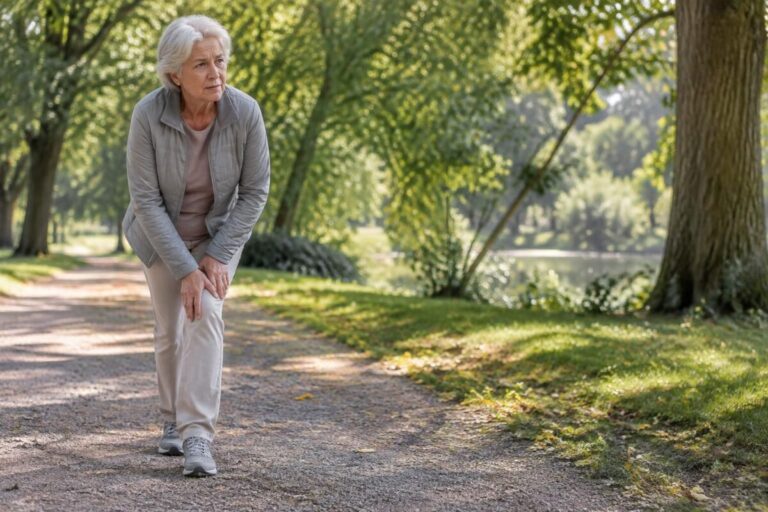
Senior mobility: does staying still bring relief or make things worse later?
Hi, it’s Livia. Staying still can ease pain in the moment, but going several hours or days without moving may increase stiffness and make it harder to get moving again. After a short break, try some gentle movement without forcing it, then adjust based on how you feel. The goal is to tell the difference between helpful rest and prolonged inactivity.
What to do right away
- If the pain is severe or unusual, stop the activity and seek advice from a healthcare professional.
- After sitting for a while, move your ankles and shoulders, then take a few steps if you feel steady.
- Use a secure support, such as a sturdy chair or a wall, to help you get moving again.
- Breathe calmly and keep the movement gentle, without any sudden motions.
- Break up periods of sitting: get up regularly, even if it’s just to walk around your home for a few minutes.
A short break can help you recover, but staying still for a long time can sometimes contribute to muscle stiffness and joint pain. To tailor your return to movement to your legs, you can read this advice on stiff legs after resting and on small daily efforts that help maintain mobility.
Mobility for older adults: when rest helps and when inactivity takes its toll
Rest has its place, especially after unusual exertion or a tiring day. However, avoiding all movement for too long can gradually reduce the flexibility, strength, and balance needed to walk or stand up.
The difference often comes down to the duration and the cause. A period of rest and recovery can ease temporary discomfort; prolonged inactivity, on the other hand, may make movements more difficult. It’s a cycle worth breaking early, without striving for peak performance.
As a simple idea puts it: “The best movement is one you can resume without severe pain.” To help prevent loss of independence, it’s best to choose physical activity suited to your condition and progress in small steps.
Signs that can help you decide
| Situation | Prudent response |
|---|---|
| Mild fatigue or stiffness after sitting | Start again with a few gentle movements and a few steps, using support if needed. |
| Sharp pain that gets worse or radiates | Stop moving and seek medical or physiotherapy advice. |
| Moderate discomfort that eases with gentle movement | Continue at a low intensity without forcing your range of motion. |
| Dizziness, unusual weakness, or abnormal shortness of breath | Sit down safely and promptly contact a healthcare professional. |
Getting moving again without making discomfort worse
Before stretching or walking, warm up your body for two or three minutes: walk in place, make small shoulder movements, and gently flex your ankles. The aim is not to pull hard, but to gradually get your joints moving again.
If you stretch, aim for a comfortable tension of about 3 out of 10, never sharp pain. You can hold the position for 20 to 30 seconds while breathing normally, then release. A sturdy chair or a wall can help you stay safe while exercising.
A common example: after a long morning of sitting, someone stands up and finds their first steps are stiff. After a few ankle movements and a short walk around the room, they often feel more comfortable than if they had stayed seated, waiting for the stiffness to pass.
A simple three-step process
- Step 1: Check how you feel. If the pain is severe, radiates, or you feel dizzy, don’t continue on your own.
- Step 2: Start with two or three minutes of gentle movement, with stable support within reach.
- Step 3: Walk for a few minutes at your own pace. If the discomfort gets worse, stop and seek advice.
Avoiding a sedentary lifestyle without ignoring pain
Being sedentary doesn’t simply mean not playing sports: long periods without moving count too. Getting up for a drink, walking a few steps around the house, or changing position several times during the day are small opportunities to move.
These actions don’t replace a strengthening program or professional care. However, they can make it easier to get moving again and contribute to older adults’ well-being. Stretching helps maintain mobility, but it doesn’t replace either muscle strengthening or an assessment of persistent pain.
If the pain lasts, gets worse, or is accompanied by swelling, loss of strength, or numbness, seek medical advice. In the event of chest pain, unusual shortness of breath, or faintness, seek urgent help.
Two situations to recognize
If you have mild stiffness after sitting for a while, try a few gentle movements and a short walk, using support if needed. If the pain is severe or getting worse, stop and seek advice rather than forcing it.
Frequently asked questions about rest and mobility for older adults
Should you move when a joint is painful?
Don’t force it. If the discomfort is mild, gentle movements may help reduce stiffness. If the pain is severe, worsening, or unusual, stop and seek medical advice.
How long should you rest?
There is no one-size-fits-all duration. A break can be helpful after exertion, but avoid staying still for a long time if you can change position or take a few steps without making your symptoms worse.
What should you do if your legs are stiff when you get up?
While seated, start with a few ankle and knee movements, then stand up using stable support. Take a few steps at your own pace and stop if severe pain or dizziness occurs.
When should you consult a professional?
Seek advice if the pain persists or gets worse, or if you notice a loss of strength, numbness, a warm and swollen joint, or dizziness.
Thank you for your interest; Livia