Independent living tips: Should you call a loved one or wait a little longer?
Hello, this is Livia. Call a loved one as soon as a new sign affects their safety or daily activities; if there’s no emergency, check in with them soon and ask what they think.
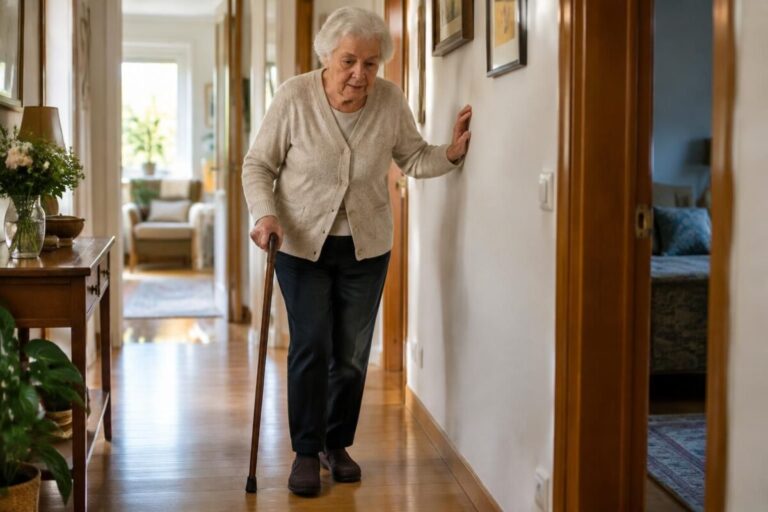
Repeated forgetfulness, a neglected meal or hesitation about going out can signal a loss of independence, but they are not enough to establish a diagnosis. It’s better to start a conversation early and tactfully rather than wait for a fall or a crisis.
What to do right away
- Assess the urgency: in the event of a fall with an injury, a medical emergency or immediate danger, call emergency services on 15 or 112.
- Contact your loved one: ask simple questions about what happened and what help they would like.
- Look for specific changes: mobility, meals, medication, personal hygiene and outings.
- Offer specific help: visit them, accompany them to an appointment or call their GP.
- Make a note of what happened and agree on follow-up: with their consent, plan to talk again in the coming days.
To plan the first steps, read this advice on what to do after a fall and on painful legs accompanied by a loss of balance.
Call or wait: signs that can help you decide
A one-off difficulty, such as forgetting an item or missing an appointment, is best addressed first with a conversation without blame. However, problems that recur or get worse warrant a call to a loved one and, with the person’s consent, a discussion with their doctor.
A medical emergency should not wait for a family discussion: call 15 or 112 if the situation seems serious or the person is in danger. If the risk is not immediate but a change worries you, contacting their GP that day can help you get appropriate advice.
| Situation observed | Appropriate response |
|---|---|
| Isolated change, with no immediate danger | Call to check in and listen to what your loved one thinks about it. |
| Recurring difficulties with daily activities | Suggest an appointment with their GP and note specific examples. |
| Fall, medical emergency or immediate danger | Contact emergency services on 15 or 112. |
This table can help you choose what to do next, but it does not replace advice from a healthcare professional. If you have serious concerns, it’s better to ask for advice than to let the situation get worse.
Recognizing a loss of independence without jumping to conclusions
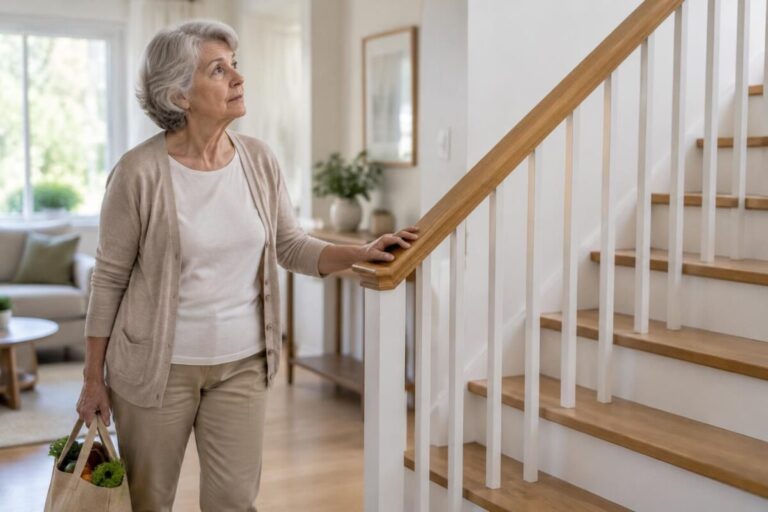
A loss of independence does not always happen suddenly. Someone may start hesitating on the stairs, forgetting some of their medication or giving up grocery shopping, while still retaining many abilities.
For example, if your father no longer goes out alone after a fall, ask him what is holding him back and what would reassure him. A handrail, occasional accompaniment or a medical appointment may sometimes meet his needs without disrupting his entire daily routine.
Avoid treating every instance of forgetfulness as proof of dependence. To better monitor changes, you can read this guidance on signs that may indicate a loss of independence.
Consulting professionals while preserving your loved one’s choices
The GP can assess the situation and refer them to other professionals. In France, an assessment of independence may use the AGGIR scale, which distinguishes six levels, from GIR 1 to GIR 6. The classification can help determine eligibility for the APA for people aged 60 and over, depending on their situation.
The CCAS, a CLIC where one exists locally, a social worker or a departmental service can help identify the steps to take and local support options. For a person under 60 with a disability, the MDPH may be an important point of contact.
Home care, home adaptations or temporary respite care are not decisions to impose. Remaining at home may still be an option with well-coordinated support for older adults, while another solution may better meet their needs in some cases.
Safety matters, but so does the feeling of being in control. Ask your loved one what they are comfortable with, what they are worried about and which parts of their routine they want to preserve.
A three-step process for moving forward gently
- Describe what happened: note the changes you have observed, how often they occur and any potential risks, without making a diagnosis.
- Talk and ask for their consent: suggest calling the doctor or requesting specific help, giving your loved one time to express their preferences.
- Arrange follow-up: divide tasks among family and friends, contact the relevant services and check in after a few days or as advised by the doctor.
Family caregivers do not have to manage everything on their own. Sharing responsibilities and asking professionals for help can prevent burnout and make decision-making easier for the whole family.
Should you call a loved one after an unusual change?
Yes. If the change worries you, call to check how the person is doing and understand what they need. In the event of immediate danger or a serious symptom, contact emergency services rather than limiting yourself to a call to family.
What should you do if the person refuses to ask for help?
Listen to their reasons and suggest a small first step, such as an appointment with their doctor or a home visit. Respect their choice as much as possible, while taking action if there is an urgent risk.
Who can assess a loss of independence?
The GP can begin the assessment and refer them to appropriate professionals or services. The CCAS, a CLIC or a social worker can also provide information about local procedures and available support.
When should you call emergency services?
Call 15 or 112 in the event of a serious medical emergency, significant injury, concerning fall or immediate danger. If the situation is worrying but there is no obvious emergency, promptly ask the GP for advice.
I hope you found this advice helpful. See you soon! — Livia