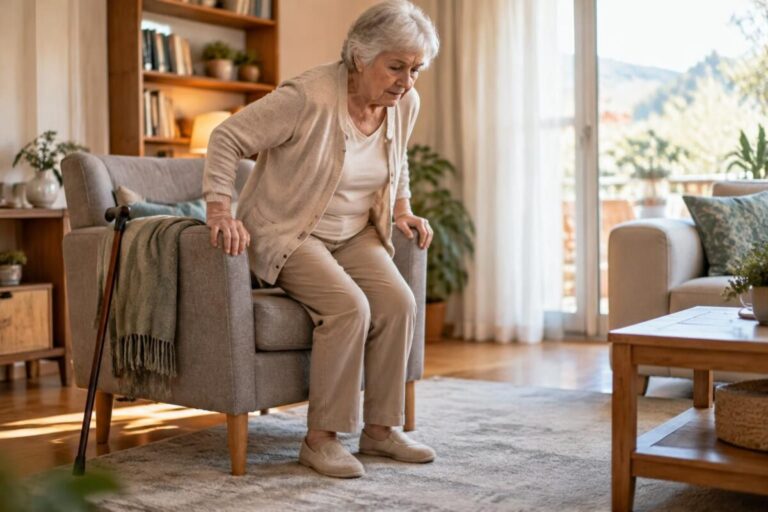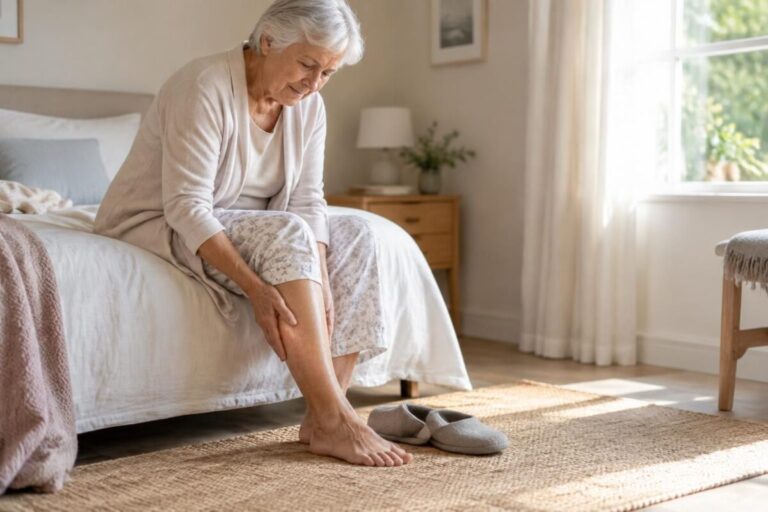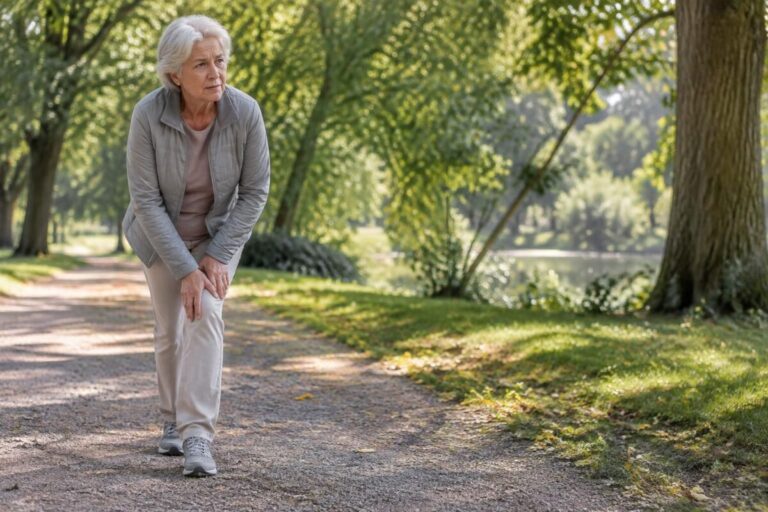
Senior mobility: relieve leg discomfort to walk with greater confidence
Hello, this is Livia.
To relieve heavy legs and walk with greater ease, alternate gentle movements, appropriate breaks, and comfortable shoes.
Heavy legs can make outings less enjoyable and make you hesitate before even stepping outside. A few simple actions can make walking more comfortable, without pushing yourself or ignoring unusual pain.
Senior mobility is maintained every day: noticing what brings relief, moving at your own pace, and asking for advice if symptoms persist are good places to start.
Things to do right away
- Try a few ankle movements while sitting: point your feet, then pull them back toward you, about ten times.
- Walk at a comfortable pace, even for just five to ten minutes, then take a break before fatigue sets in.
- Choose stable shoes that fit well and have non-slip soles.
- Raise your legs for a few minutes while resting if it brings you relief.
- Note when the discomfort appears: when you wake up, after standing for a long time, or while walking.
If the discomfort is accompanied by a loss of strength, these tips on leg strength can help you better identify changes. If pain gets worse when walking, also see the guidance on when walking becomes too painful.
Heavy legs: avoid the trap of inactivity
When your legs ache or feel heavy, sitting for a long time may seem restful. However, prolonged inactivity can increase stiffness and does not promote blood circulation. Gentle, regular movement is often more helpful than stopping completely, as long as you stay within your comfort zone.
For example, if Marc feels heaviness after preparing a meal, he can sit down for a few minutes, flex his ankles, then take a short walk around the house. If the pain increases or changes the way he walks, it is best to stop the activity and seek professional advice.
Choose the right action for the discomfort
Relief for heavy legs depends on the timing and the sensation. Fatigue after exertion generally calls for a break, while mild stiffness may improve with gradual movement. This table can help you adapt your first steps, but does not replace medical advice.
| Situation observed | Prudent action | What to watch for |
|---|---|---|
| Heaviness after standing | Sit down, move your ankles, raise your legs if comfortable | Frequent or persistent discomfort |
| Stiffness when starting to move | Start with a few slow steps and gentle movements | Pain that worsens or limping |
| Fatigue during an outing | Take a break, then shorten the route if needed | Unusual shortness of breath or feeling faint |
| Sudden swelling in one leg | Seek medical advice promptly | Redness, warmth, or significant pain |
Mobility exercises to make walking more comfortable
Mobility exercises don’t need to be complicated. A series of seated movements—ankle circles, gentle knee extensions, then a few sit-to-stands if your balance allows—can prepare your legs for a short walk.
Start with a short duration, around five minutes, and increase it only if the movements remain comfortable. A sturdy chair placed near something you can hold on to reduces the risk of losing your balance. Preventing pain also means taking breaks and choosing a suitable route, not striving for performance.
- Breathe regularly and avoid sudden movements.
- Stop if sharp pain, dizziness, or unusual weakness occurs.
- Ask a healthcare professional for advice if you have a chronic condition or balance difficulties.
These adjustments support older adults’ independence without turning every outing into a workout. The best guide is an activity that feels comfortable during and after exertion.
A comfortable walk in three steps
- Before setting out: choose stable shoes, a simple route, and a realistic duration.
- While walking: go at a pace that lets you talk, then take a break as soon as fatigue sets in.
- When you get back: notice how your legs feel and note what helped or made the discomfort worse.
If one leg suddenly swells, turns red or feels warm, or if the pain is severe, do not massage it and seek medical advice promptly. Chest pain or sudden shortness of breath requires urgent medical attention.
Helpful questions about relieving heavy legs
Can a short walk help with heavy legs?
Gentle movements and a short walk may improve comfort for some people. Keep to an easy pace and stop if the pain increases.
Should you raise your legs while resting?
You can try raising them for a few minutes if it brings you relief. If the swelling persists, gets worse, or mainly affects one leg, seek medical advice.
When should you seek advice for leg pain?
Seek advice if the pain occurs often, gets worse, makes walking difficult, or is accompanied by weakness. Sudden swelling with warmth or redness requires prompt medical attention.
Which exercises should you start with?
Ankle movements and gentle seated knee extensions are good exercises to start with. Use a sturdy chair and ask for advice if your balance is poor.
Thanks for reading! I’d love to hear what you think in the comments. — Livia