Senior health: leg pain after 70, what should be addressed
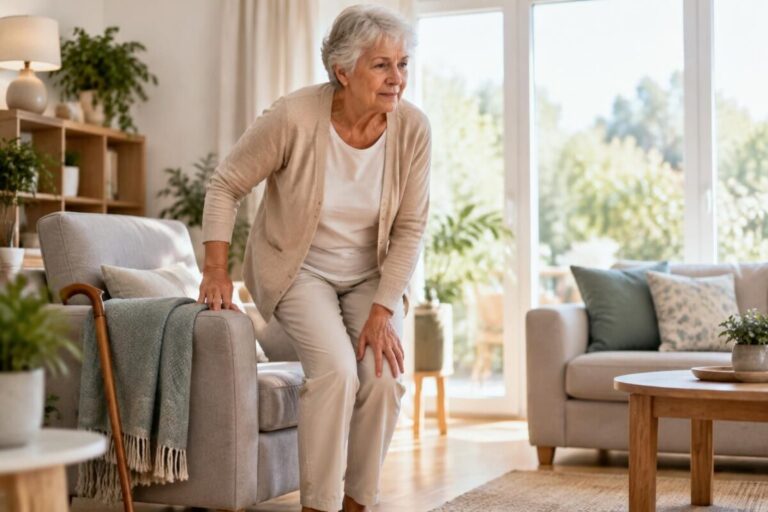
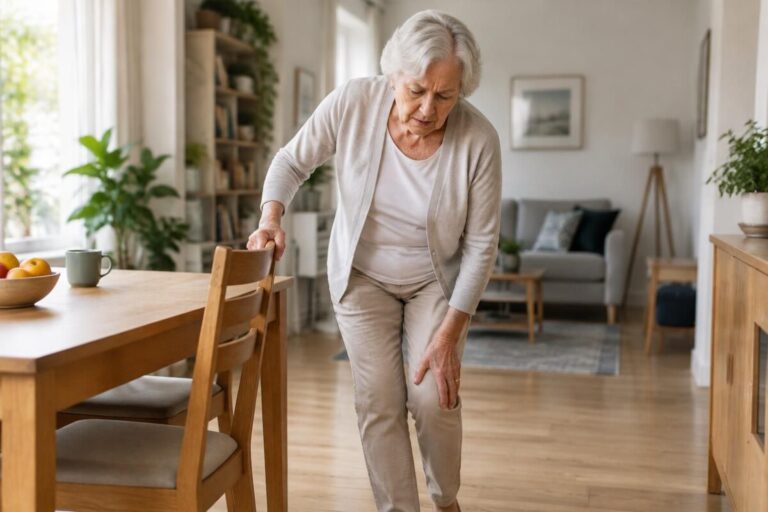
Hi, it’s Livia. After 70, leg pain should first be assessed to identify its cause, then addressed with gentle movements and medical advice if it persists or gets worse. Sluggish venous circulation can cause heaviness and swelling, but joints, muscles, or nerves may also be involved. Simple steps often help preserve mobility and the health of older adults.
What to do right away
To start, move your ankles regularly, avoid staying in the same position for too long, and note when the pain occurs. You can also read these tips on keeping your legs strong after 70 and adapting your walking with simple steps, without special equipment.
- Walk for a few minutes at your own pace, several times throughout the day if you can.
- Raise your legs when resting if it brings relief.
- Drink regularly, unless a medical professional has advised you to limit fluids.
- Choose stable shoes and clothing that does not constrict your legs.
- Make an appointment if the pain returns, persists, or interferes with your activities.
Leg pain after 70: causes to distinguish
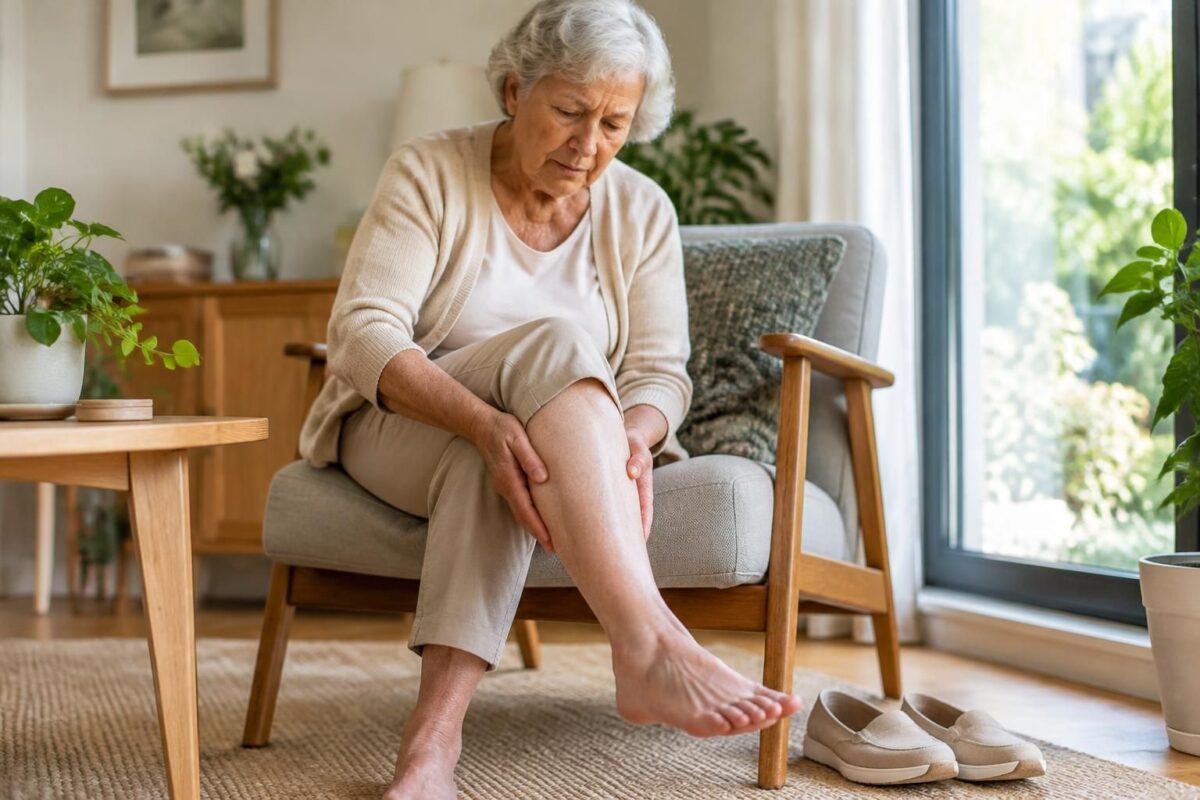
Causes of leg pain vary. Venous insufficiency can slow the return of blood to the heart and lead to heaviness, swollen ankles, or varicose veins. Age, heat, lack of movement, smoking, and excess weight can contribute to these symptoms.
Pain when walking that eases with rest may also indicate a problem with arterial circulation. Osteoarthritis, nerve damage, an injury, or a medication side effect are other possibilities. Osteoarthritis and leg pain can occur together, but pain should not automatically be attributed to aging.
Heavy legs are more likely in older adults after long periods of sitting or standing. In women, hormonal changes over the course of life can also contribute to venous problems. Finally, nutritional deficiencies in older adults cannot be inferred from pain alone: a healthcare professional can check dietary intake or order tests if other signs warrant it.
Recognizing signs that may point to a cause
| What you feel | Possible cause | Helpful next step |
|---|---|---|
| Heaviness and swelling at the end of the day | Sluggish venous return, heat, or prolonged immobility | Walk gently and talk to your doctor if it persists |
| Pain when walking that eases with rest | A circulatory or muscular cause that needs to be assessed | Seek medical advice, especially if the symptom is new |
| Stiffness and pain around a joint | Osteoarthritis or another joint condition | Ask for an assessment and advice on suitable activities |
| Sudden pain with one swollen, warm leg | An urgent problem that needs to be ruled out | Contact a healthcare professional promptly |
When to seek medical advice for leg pain
Seek medical advice if the pain returns, worsens, prevents you from walking, or is accompanied by persistent swelling. A leg that suddenly becomes swollen, red, or warm requires prompt medical attention. If you also have shortness of breath or chest pain, call emergency services.
Ongoing pain can disrupt sleep, appetite, and outings. “Pain that changes your habits deserves attention.” If someone close to you says little, also look for a slower gait, a grimace when moving, or reduced activity, then share these observations with their doctor.
If pain occurs after an unusual effort and eases with rest, reduce the intensity and monitor how it develops. If one leg suddenly becomes swollen, warm, or very painful, seek medical help promptly.
Three steps to relieve and prevent pain
- Step 1: observe and take notes. Record where the pain is, when it occurs, how long it lasts, and what eases it. Also note any swelling, changes in color, and medications taken.
- Step 2: get moving again without overdoing it. Physical activity after 70 can start with a few minutes of walking, seated ankle movements, or gentle cycling. Increase gradually according to your abilities, and stop if the pain gets noticeably worse.
- Step 3: have the cause checked. Your doctor can assess your circulation, joints, and current medications. Compression stockings may help with venous problems, but a healthcare professional should recommend and fit them.
Preventing leg pain also involves taking regular breaks, wearing suitable shoes, and eating a varied diet. Avoid vigorous massage and essential oils without professional advice, especially if your skin is fragile or you take medication. Never change a prescribed treatment on your own.
A simple routine, without unrealistic goals
Simone, 74, mostly felt heaviness in her legs after shopping. She started taking a short break to move her ankles and walking a little each day; when the swelling persisted, she spoke to her doctor.
This routine is no substitute for a diagnosis, but it helps you recognize symptoms and stay active. For blood circulation in the legs, consistency matters more than an intense effort every now and then.
Frequently asked questions about leg pain after 70
Are heavy legs normal after 70?
They are common, but they are not inevitable. If they persist, get worse, or are accompanied by swelling, seek medical advice to find out what is causing them.
Should I wear compression stockings?
They may be helpful for venous problems, but they are not automatically suitable for everyone. A healthcare professional can check whether they are appropriate and help you choose the right size and level of compression.
Can walking relieve pain?
Gentle, adapted walking often helps maintain mobility. Start gradually and ask for advice if exertion triggers significant or unusual pain.
When should I seek medical advice for leg pain?
Seek medical advice if the pain lasts, returns, or interferes with your activities. A leg that suddenly becomes swollen, red, or warm needs prompt assessment; shortness of breath or chest pain warrants calling emergency services.
Thank you for your interest; Livia