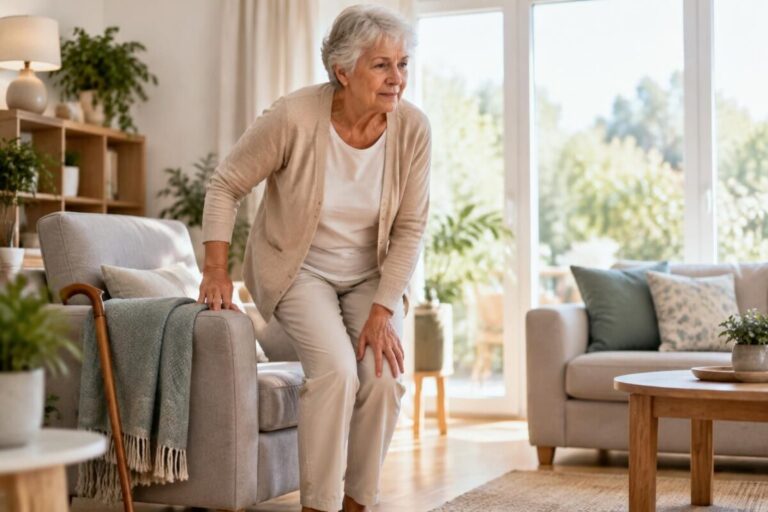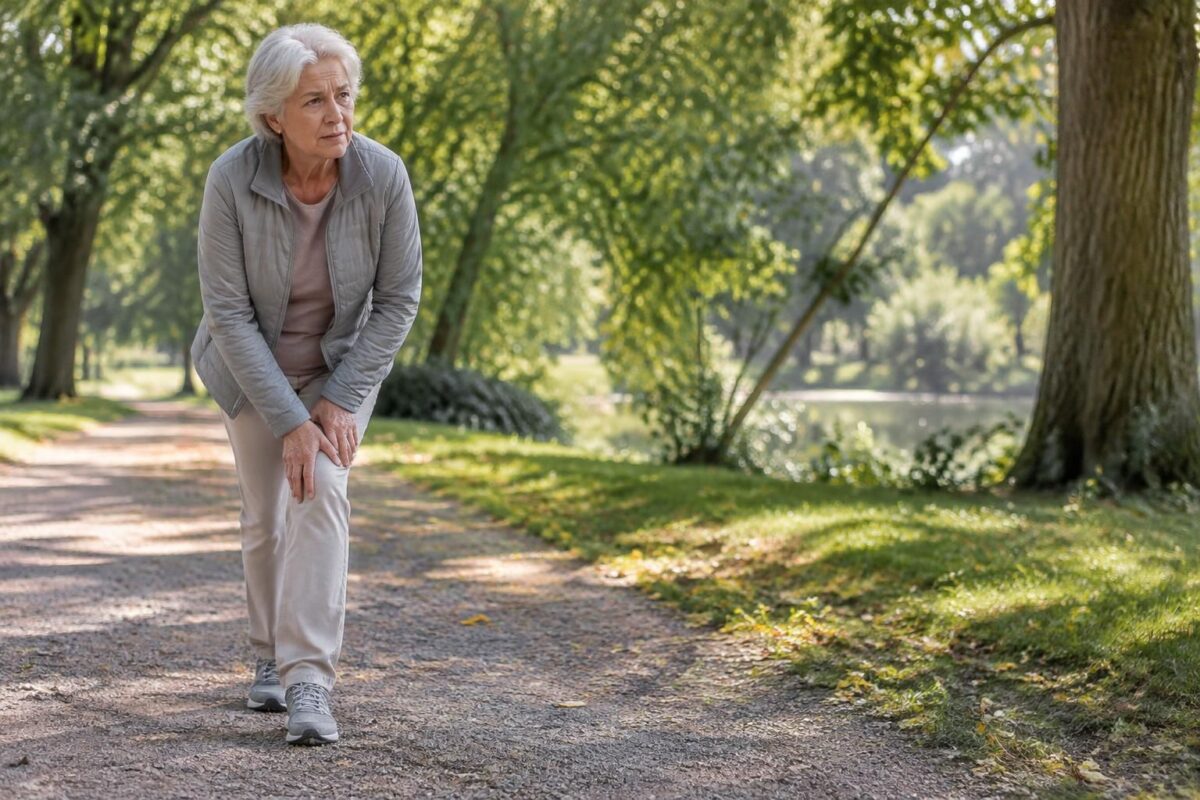
Senior mobility: pain when walking outdoors—should you slow everything down?
Hi, it’s Livia. No, don’t slow everything down: ease your pace as soon as the pain appears, then stop if it becomes severe, worsens, or makes it difficult to bear weight. Pain when walking outdoors deserves attention, but doesn’t automatically mean you have to stay still. A gentler pace, an easy route, and breaks can help you stay active safely. If the pain returns or persists, ask a healthcare professional for advice.
What to do right away
- Slow down and shorten your steps as soon as the pain starts.
- Choose a flat, short route close to home.
- Wear comfortable, well-broken-in shoes and take your usual walking aid.
- Take a seated break if the pain increases or you feel unsteady.
- Note where it hurts, how long it takes for the pain to start, and what eases it.
If you feel pain after a few steps, don’t push yourself and seek medical advice, especially if it keeps happening. To better distinguish temporary discomfort from a sign to watch out for, read these guidelines on pain after a few steps and this advice on moving when pain is limiting your movement.
Pain while walking: when to slow down and when to stop
Mild discomfort that eases when you slow down doesn’t always mean you need to give up going out altogether. However, stop if the pain becomes sharp, your leg gives way, you are clearly limping, or you can no longer put your foot down normally.
Sudden pain after a fall, significant swelling, sudden weakness in a leg, or pain accompanied by feeling unwell requires prompt assessment. If you have chest pain or difficulty breathing, call emergency services.
Two simple situations to help you decide
If the pain remains moderate and eases when you slow down, take a break and then head home by the shortest route. If it gets worse, returns every time you go out, or disrupts your activities, put long walks on hold and make an appointment with a healthcare professional.
Walking and aging don’t follow the same pace for everyone. A slower pace isn’t a failure: it’s often a practical way to stay comfortable and keep going out.
Getting back to walking outdoors in three steps
- Step 1: Before you set out, choose an easy route with benches or places to rest. Take your phone, some water, and a walking aid if one has been recommended to you.
- Step 2: Walk at a pace that lets you talk without getting out of breath. If the pain appears, slow down, shorten your steps, and see whether it eases.
- Step 3: After your walk, note its duration, the route, and how the pain changes that day and the next. Increase the duration gradually only if you recover well.
A neighbor who had cut back on her outings because of leg pain started again with a few minutes on a flat path near her home. She kept to that distance until she felt comfortable, then gradually increased it with her healthcare provider’s approval.
“The right pace is one you can maintain without putting yourself at risk.” This simple guideline helps you adapt your walk to how you feel today, rather than comparing yourself with how fast you used to walk.
Leg pain while walking: adjust your effort and equipment
Leg pain while walking can have different causes. Knee pain may be aggravated by downhill stretches, while recurring calf discomfort warrants medical advice, especially if it always occurs after a similar level of exertion.
On uneven terrain, two trekking poles can provide extra support and help with balance. On flat ground, adjust them so your elbows are bent at close to a right angle; shorten them a little uphill, and lengthen them by a few centimeters downhill, depending on the terrain.
| What you notice | What you can do | When to seek advice |
|---|---|---|
| Mild discomfort that eases when you slow down | Take a break, then head home at an easy pace | If it happens often or lasts after your walk |
| More pain on downhill stretches | Shorten your steps, use trekking poles, and choose a less steep path | If the pain limits your ability to bear weight or gets worse |
| Unsteadiness or a feeling that your leg is giving way | Stop and get to a safe place, with help from someone close to you if needed | Promptly, especially if this is a new problem |
A light bag, well-worn shoes, and regular breaks reduce strain. For a day hike, a commonly used guideline is to keep your pack close to 10% of your body weight, depending on your situation and the gear you’re carrying.
Mobility in older adults: stay active without feeding your fear
When pain leads you to go out less and less, loss of mobility can set in: your muscles work less, your balance becomes less steady, and getting around feels more difficult. This doesn’t mean you should ignore the pain, but it is helpful to look for an activity that suits you rather than staying still without seeking advice.
Kinesiophobia, or fear of moving because you’re worried about making the pain worse, can keep you from going out. Gradual exercises, medical support, or physical activity adapted for older adults can help you regain confidence, depending on your individual needs.
Balance problems, impaired vision, or dizziness also increase the risk of falling outdoors. To maintain your independence, choose a familiar route, let someone close to you know if you’re going out alone, and check with your doctor or pharmacist that your medications aren’t causing drowsiness or dizziness.
Tips for walking safely and knowing when to seek medical advice
These tips for walking safely are no substitute for a medical examination. After surgery, a heart problem, a fall, or a change in medication, seek advice before resuming long walks or hilly routes.
Consult a healthcare professional if the pain persists, gets worse, wakes you at night, or significantly limits your ability to get around. Note where it is, how severe it is, when it occurs, and what eases it: this information will help the professional assess the situation.
Slowing down can help, but the goal isn’t to give up every outing. Adjust your effort, listen to your body’s signals, and take things one small step at a time: that’s how mobility in older adults can be maintained in everyday life.
Frequently asked questions about pain when walking outdoors
Should I stop walking as soon as pain appears?
Not necessarily if the discomfort is mild and eases when you slow down. Stop if it becomes sharp, gets worse, affects your ability to bear weight, or is accompanied by unsteadiness.
How do I know if I should seek medical advice?
Make an appointment if the pain often returns, persists after walks, gets more intense, or limits your activities. Sudden pain after a fall or new weakness requires prompt assessment.
Can trekking poles help?
They can provide support and improve stability on uneven terrain. They are no substitute for a diagnosis and should be adjusted to your height and adapted to the route.
What should I do if I’m afraid of falling outdoors?
Start on a flat, familiar route, walk with someone close to you if that reassures you, and use the recommended walking aid. New or frequent balance problems should be discussed with a healthcare professional.
Thanks for your interest; Livia