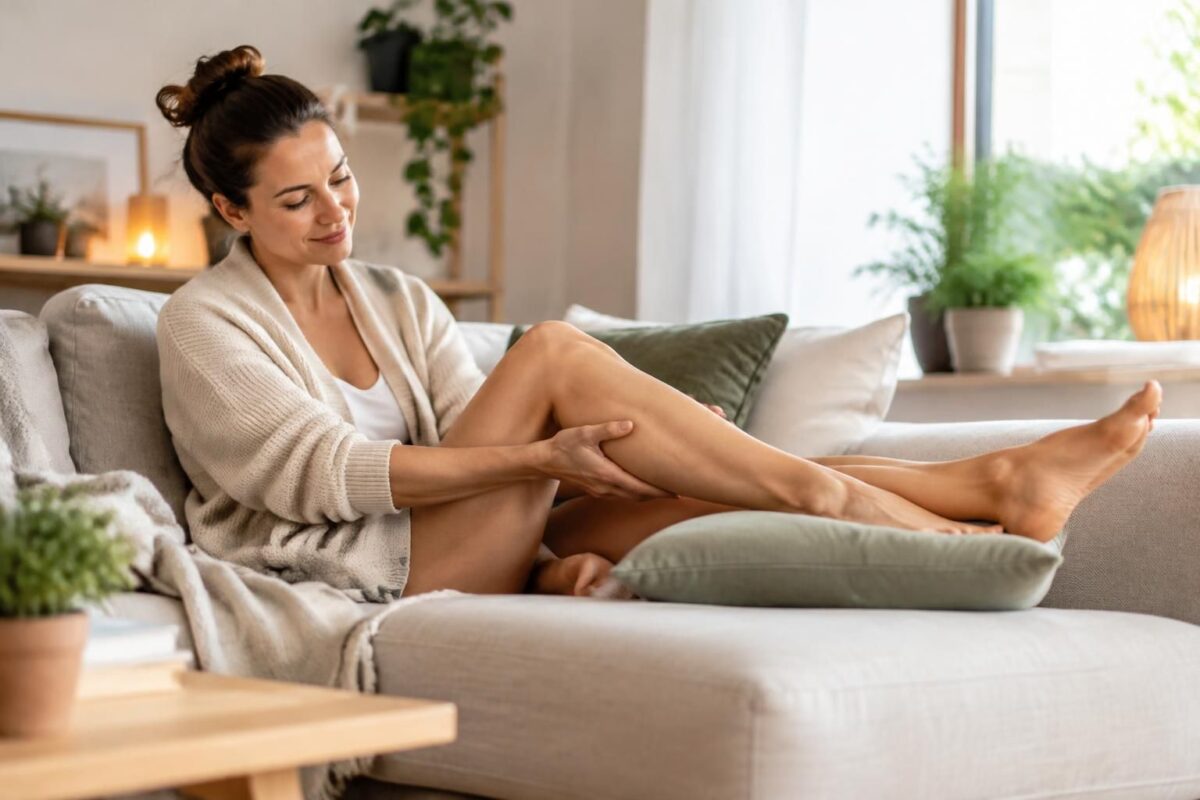
Home care: relieve leg discomfort without leaving home
Hi, it’s Livia. To ease heavy legs at home, raise them for a few minutes, move your ankles, and take short, regular breaks. These simple steps can support blood circulation and improve comfort at home. A stable footrest or a gentle massage can complement this routine, but they don’t replace medical advice if the discomfort persists.
Do this now
- Get comfortable and raise your legs without compressing the backs of your knees.
- Slowly flex and rotate your ankles a few times.
- Drink regularly, especially in hot weather.
- Avoid sitting still for long periods.
- Watch for unusual swelling, persistent pain, or redness.
To complement these steps, you can explore practical tips for finding relief without taking risks and learn to spot signs that call for medical advice with this guide to leg pain: simple fatigue or a warning sign.
Simple steps for relief at home
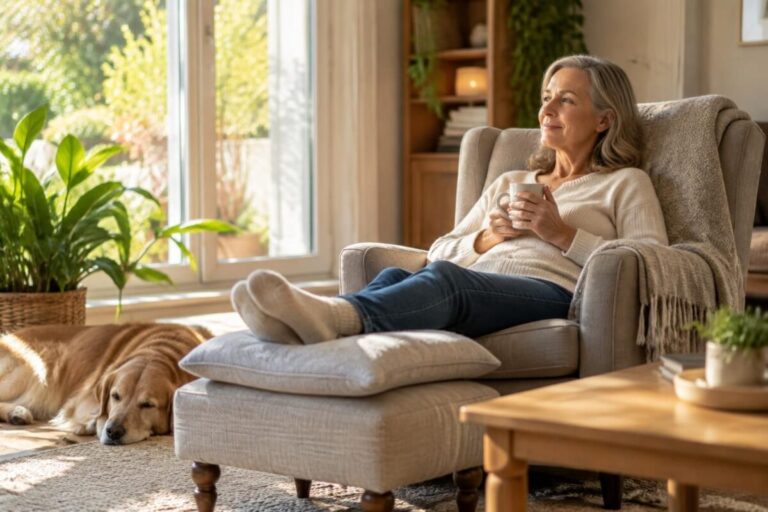
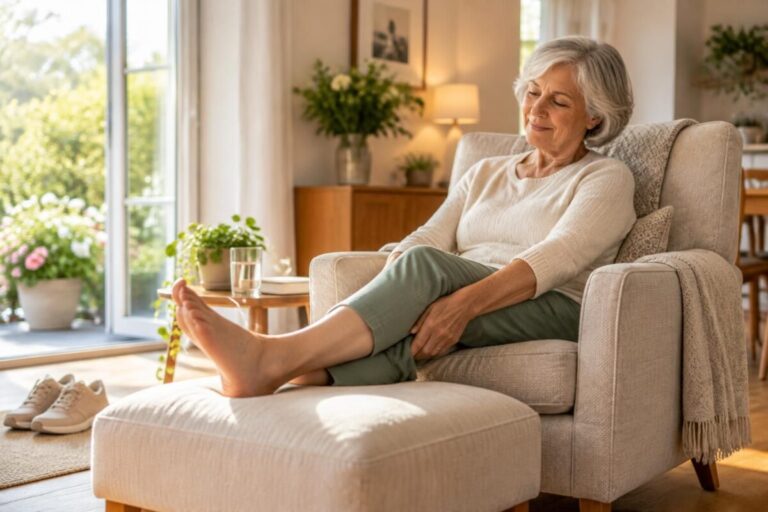
Start by placing your feet on a stable support, at a height that lets you relax your legs without straining your hips. If you have a footrest, make sure it doesn’t slide or obstruct your path when you get up.
Raising your legs comfortably for 10 to 20 minutes may help reduce the feeling of heaviness. This is a general guideline and may vary depending on your situation: stop if you feel pain, numbness, or unusual discomfort.
If your legs feel mildly heavy after a day of sitting, move your ankles and walk for a few minutes. If one leg suddenly swells or becomes warm or painful, contact a healthcare professional promptly.
A three-step routine
- Step 1: Sit back in the chair and place your feet flat on a stable support.
- Step 2: For two or three minutes, gently draw your toes toward you, then point them away. Add a few ankle circles.
- Step 3: Finish with a break with your legs raised, then stand up slowly, making sure the footrest isn’t in your way.
These small mobility exercises work the calf muscles, which help return blood to the heart. “Even gentle movement matters more than staying still for a long time.”
Leg massage and tired legs: keep it gentle
A gentle leg massage can help you feel relaxed. With your hands flat, use gentle strokes from your ankles toward your knees, without pressing hard or massaging any painful or swollen areas.
A common anecdote in home care: after a long afternoon spent reading, someone gets up with stiff ankles. A few seated foot movements, followed by a leisurely walk around the room, often help them feel more comfortable.
For more detailed guidance, see these massage techniques to try at home. If you use a cream, make sure it’s suitable for you, and avoid essential oils without appropriate advice, especially if you’re taking medication or have sensitive skin.
Pressotherapy at home: take precautions
Pressotherapy uses inflatable sleeves that inflate and deflate to apply pressure in cycles. Some devices offer sessions of around 20 minutes, but settings and sensations vary by model.
This device isn’t suitable for everyone. Before considering using it, ask a doctor or physical therapist for advice, especially if you have vascular disease, a history of phlebitis, heart failure, a wound, or unexplained swelling. Feeling comfortable after using it doesn’t by itself identify the cause of a symptom.
Choosing a footrest for comfort at home
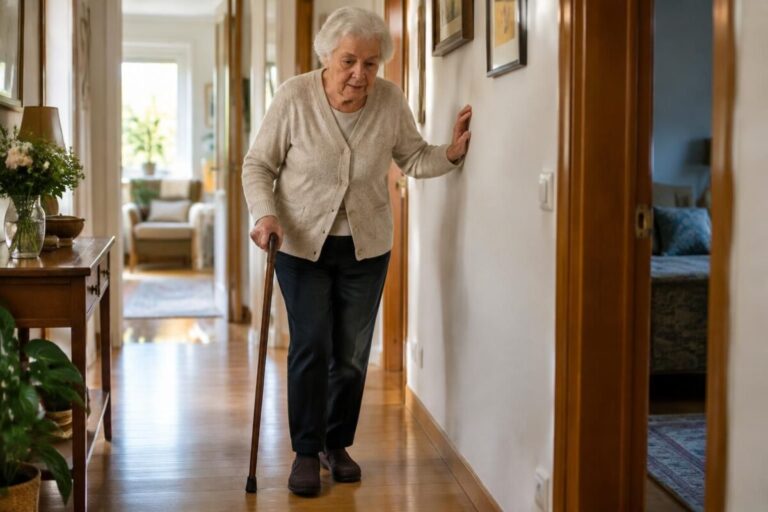
A footrest should support your feet without raising them too high or putting strain on your knees. Choose a stable model with a surface that’s wide enough and, if possible, non-slip pads. Always keep the path clear to avoid tripping when you get up.
| Option | What it’s for | What to check |
|---|---|---|
| Stable footrest | Positioning your legs comfortably for rest | Suitable height and non-slip base |
| Gentle walk | Breaking up periods of sitting | Safe footwear and a clear path |
| Ankle movements | Activating your calf muscles without equipment | Comfortable range of motion, without pain |
| Gentle massage | Helping tired legs relax | No firm pressure on sensitive areas |
A realistic routine is better than a complicated program: a few movements throughout the day, regular hydration, and a comfortable position can support everyday well-being. Being consistent can help you identify what feels good, without promising the same results for everyone.
When to seek medical advice
Swollen or heavy legs can have several causes. If the discomfort keeps coming back, gets worse, or is accompanied by repeated cramps, talk to your doctor before adding a device or changing your home care routine.
Pain or swelling that appears suddenly, especially on one side only, needs prompt evaluation. If you experience shortness of breath or chest pain, call emergency services.
How long should you raise your legs at home?
You can try a comfortable break of 10 to 20 minutes, depending on your situation. Stop if you feel pain, numbness, or discomfort.
What exercises can you do when your legs are tired?
While seated, slowly flex and extend your ankles, then make small circles. A short walk in a clear space can also help break up periods of inactivity.
Is massage enough to relieve heavy legs?
A gentle massage can help you relax, but it doesn’t address every possible cause. Avoid firm pressure and seek advice if the symptoms persist or get worse.
When should you see a doctor about swollen legs?
See a doctor if the swelling keeps coming back or is accompanied by pain. Sudden swelling in just one leg, redness, or localized warmth calls for prompt medical advice.
Thank you for your interest; Livia