Living at home: what does staying on your own really require?
Hi, it’s Livia. To live alone at home with greater peace of mind, check three things: that you can manage essential daily tasks, ask for help, and get assistance in an emergency. Independence doesn’t mean doing everything without support. The right arrangements can complement your abilities and give you more choices. Here’s how to remain independent at home every day.
Things to do right away
- Get to know your neighbors and build a local support network.
- Establish a daily routine with set times for getting up, eating, and moving around.
- Make regular physical activity part of your routine, even at home, to lift your spirits.
- Keep a phone within reach and look into a telecare service if it meets your needs.
- Plan ahead for prescription refills with your pharmacist, and decide whom to call if something unexpected happens.
The basics of independence and safety at home
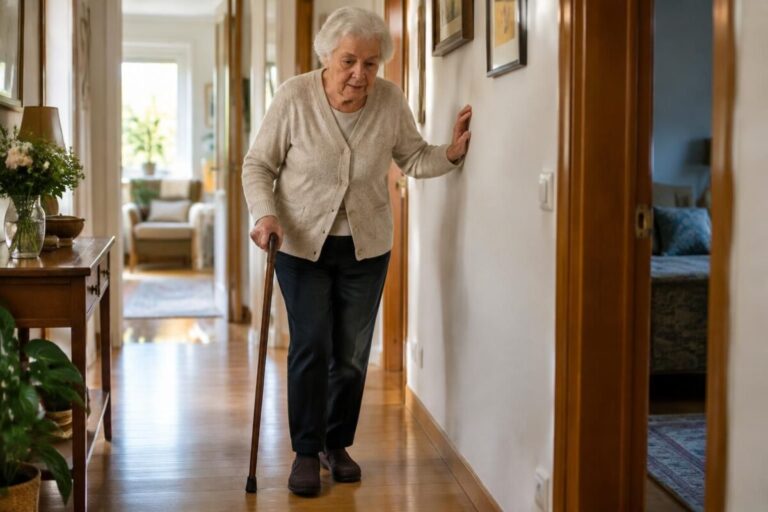
Start with your home: keep pathways clear, make sure lights are easy to reach, keep everyday items within easy reach, and use stable chairs. A burglar alarm is no substitute for help with difficult tasks. If you’re considering getting a pet, also make sure someone can care for it if you’re hospitalized.
A welcoming home without cluttering the walkways
You can keep a decor style that feels like you while making it easier to get around. These home layout and storage ideas offer tips on choosing furniture and decluttering. If you have a need related to a mobility difficulty, ask a professional to assess your situation and build on these ideas.
3 simple steps to keep your home safe and comfortable
- Step 1: Check the routes from your bed to the bathroom and from the kitchen to the living room, then remove obstacles and improve the lighting.
- Step 2: Set up a neighborly check-in system so you can look out for one another if something goes wrong.
- Step 3: Plan ahead for unexpected situations: keep useful information sheets, a smoke detector, and a first-aid kit easily accessible.
Managing daily life to maintain your comfort and independence
Planning a few simple meals and organizing your grocery shopping can make the week easier. If cooking, bathing, or getting dressed becomes difficult, a home care worker can take over some tasks. In France, your local information center or CCAS can point you in the right direction; elsewhere, contact your local social services office.
To make things easier, plan your meals at the beginning of the week and organize your shopping accordingly – you can take a look at these tips on how to adapt your kitchen to support your independence. Maintaining a structured daily routine helps you avoid letting it slip and directly affects your well-being.
A practical checklist for an organized, stress-free daily life
- Plan your meals and cook in small quantities.
- Set regular times for getting up, eating, and going to bed.
- Stay physically active, even with short sessions at home.
- Keep in regular contact with others to avoid loneliness.
- Make sure basic medical supplies are within easy reach.
| Aspect | Key advice | Expected benefit |
|---|---|---|
| Safety | Keep pathways clear and make sure you can call for help | Peace of mind every day |
| Organization | Set a schedule for cleaning and grocery shopping | Avoid stress caused by the unexpected |
| Social support | Get to know your neighbors and stay connected | A sense of belonging and knowing help is available |
| Food independence | Cook for yourself and manage portion sizes | Reduce waste and make the most of your budget |
| Prevention | Prepare a list of useful contacts and your medications | Respond quickly in the event of illness or an accident |
Maintaining a balance between social life and time alone
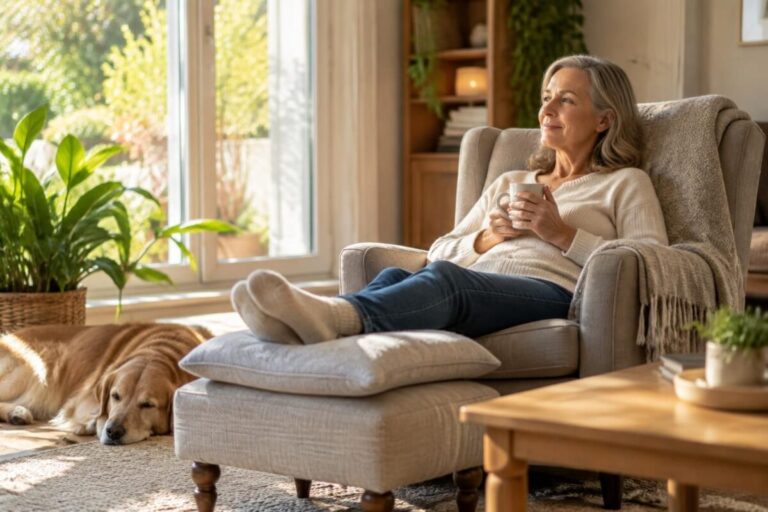
Living alone doesn’t necessarily mean feeling isolated. Choose the kinds of contact that suit you: visits, phone calls, workshops, or neighborhood get-togethers. For example, arranging a call at an agreed time and going on an outing with someone can be a first step without giving yourself a packed schedule.
Arrange for someone to check in if you don’t respond
Make an agreement with someone you trust: when will they check on you, whom will they contact if you don’t respond, and how can emergency services get into your home? A telecare service can connect a call button to an operator; check the coverage, whether you’ll wear the device, and whom they’ll notify. It doesn’t replace any human support you may need.
Official information: how telecare works.
How can you maintain good mental well-being when you live alone?
It’s essential to stay in regular contact with others, get physical activity, and establish a stable routine to reduce feelings of loneliness.
What safety equipment is essential at home?
Needs vary: accessible lighting, clear pathways, a smoke detector, and a way to call for help are all worth checking. Telecare may be an option depending on your situation; a camera is not a necessity.
How can you manage medical emergencies at home when you’re alone?
Keep your phone, useful contacts, and medication list within easy reach. In a medical emergency, call 15 or 112 in France, or 144 in Switzerland; don’t try to treat yourself.
Is it a good idea to get a pet when you live alone?
Yes, if your lifestyle allows for it. A pet provides emotional support and encourages physical activity, but it’s a long-term commitment that you should consider carefully.
How can you avoid monotony when you live alone?
Keep a variety of activities in your life: hobbies, outings, and socializing. Learn to enjoy your own company, but also make time for social interaction.
Thank you for your interest; Livia